
01
Station infrastructure
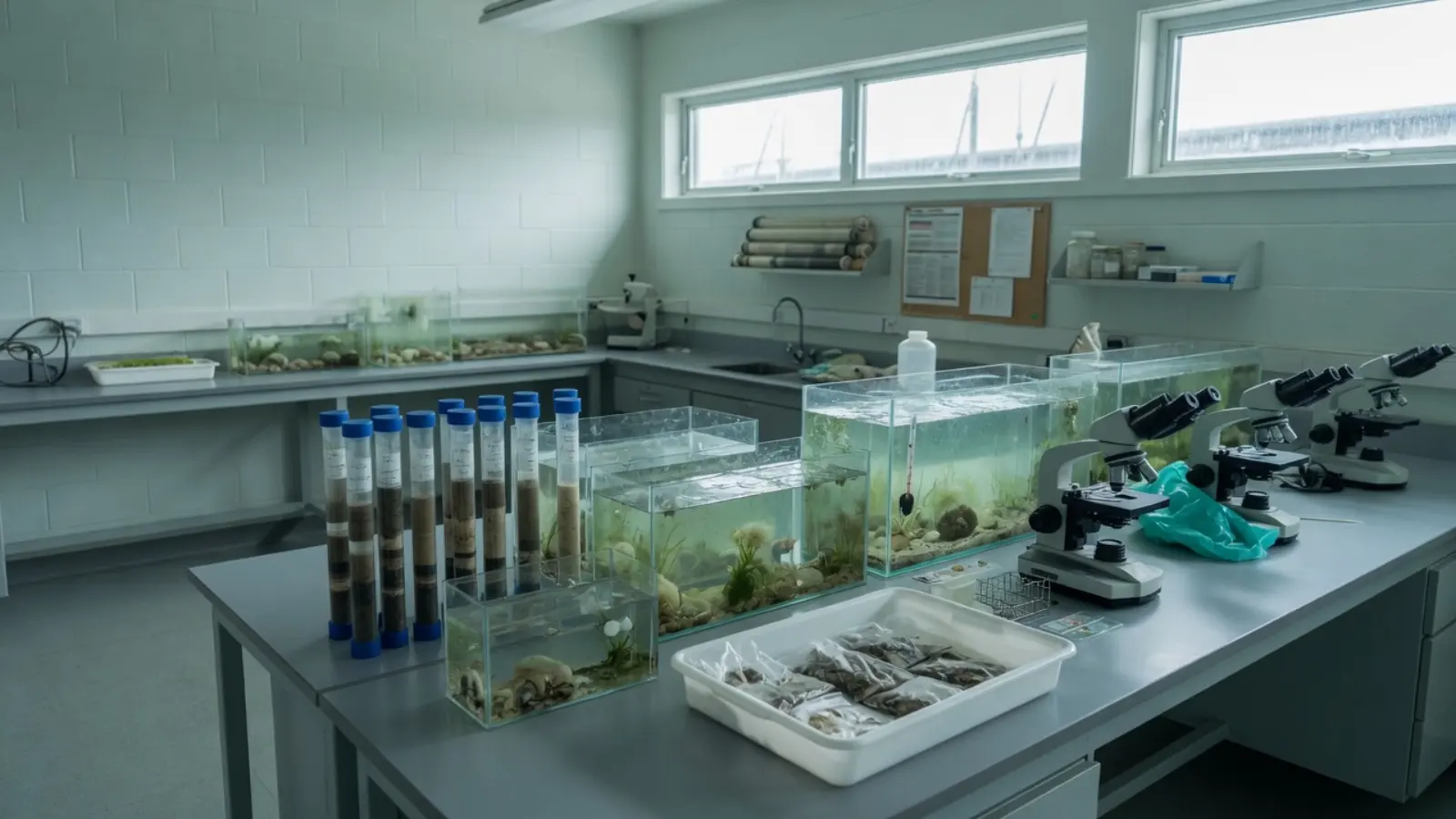
Develop the Hydrobiological Station of Rhodes / HCMR by creating new laboratory spaces, upgrading data-processing equipment, and installing electromechanical access equipment for people with disabilities.
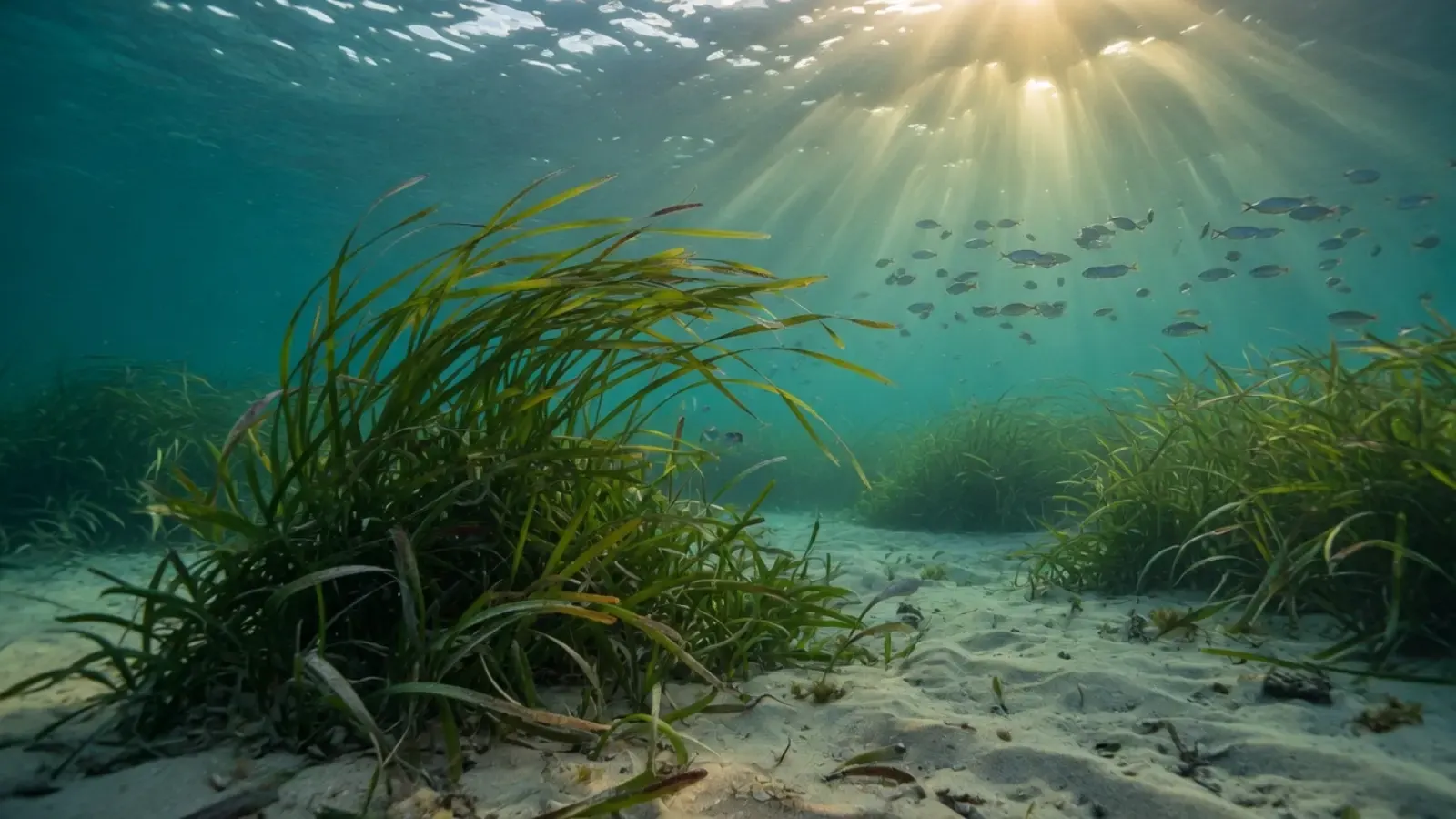
DRESSAGE develops the infrastructure, human resources and scientific research of the Hellenic Centre for Marine Research in the South Aegean Region — centred on the Hydrobiological Station of Rhodes and the R/V Alkyon.
The DRESSAGE programme “Development of the infrastructure, human resources, marine research and innovation of the Hellenic Centre for Marine Research (HCMR) in the South Aegean Region” (MIS 5045792) aims to:
Develop the Hydrobiological Station of Rhodes / HCMR by creating new laboratory spaces, upgrading data-processing equipment, and installing electromechanical access equipment for people with disabilities.
Regular maintenance of the scientific and electromechanical equipment of R/V Alkyon / HCMR by external partners, and supply of maintenance equipment for the technical staff of the Station.
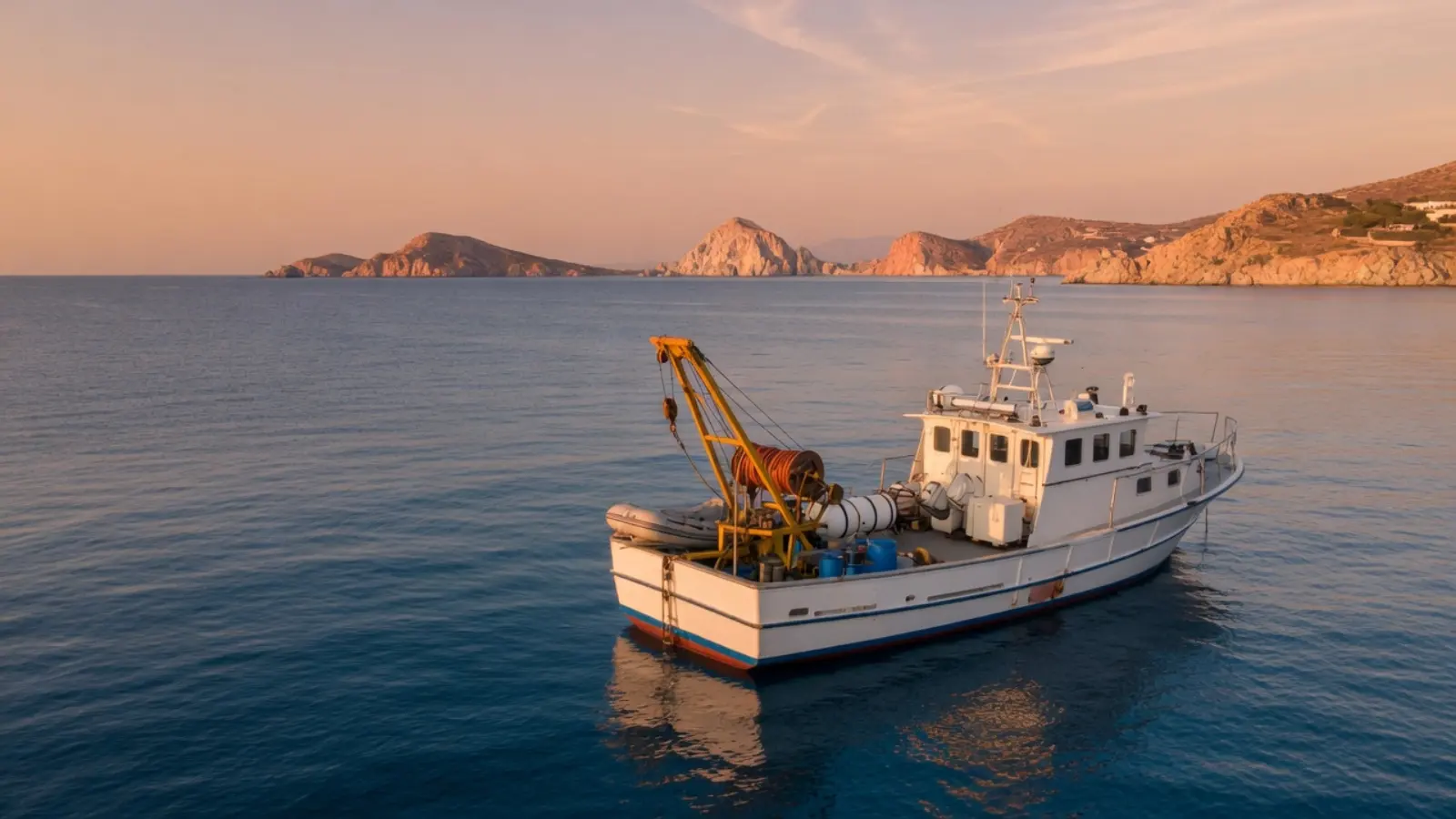
Complete the scientific equipment of R/V Alkyon / HCMR, supporting mapping, sampling and operational research in the South Aegean.
Strengthen and train HCMR’s scientific human resources in the South Aegean, and carry out scientific research with open dissemination of results.
From laboratories and accessibility in a listed 1930s building to seafloor mapping, Posidonia meadows and underwater noise.
Turtle lofts, experimental aquarium science and a sediment laboratory.
 PE2
PE2External platform lift and an internal ramp in the listed building.
 PE3
PE3Seafloor mapping, geoarchaeology and equipment for R/V Alkyon.
 PE4
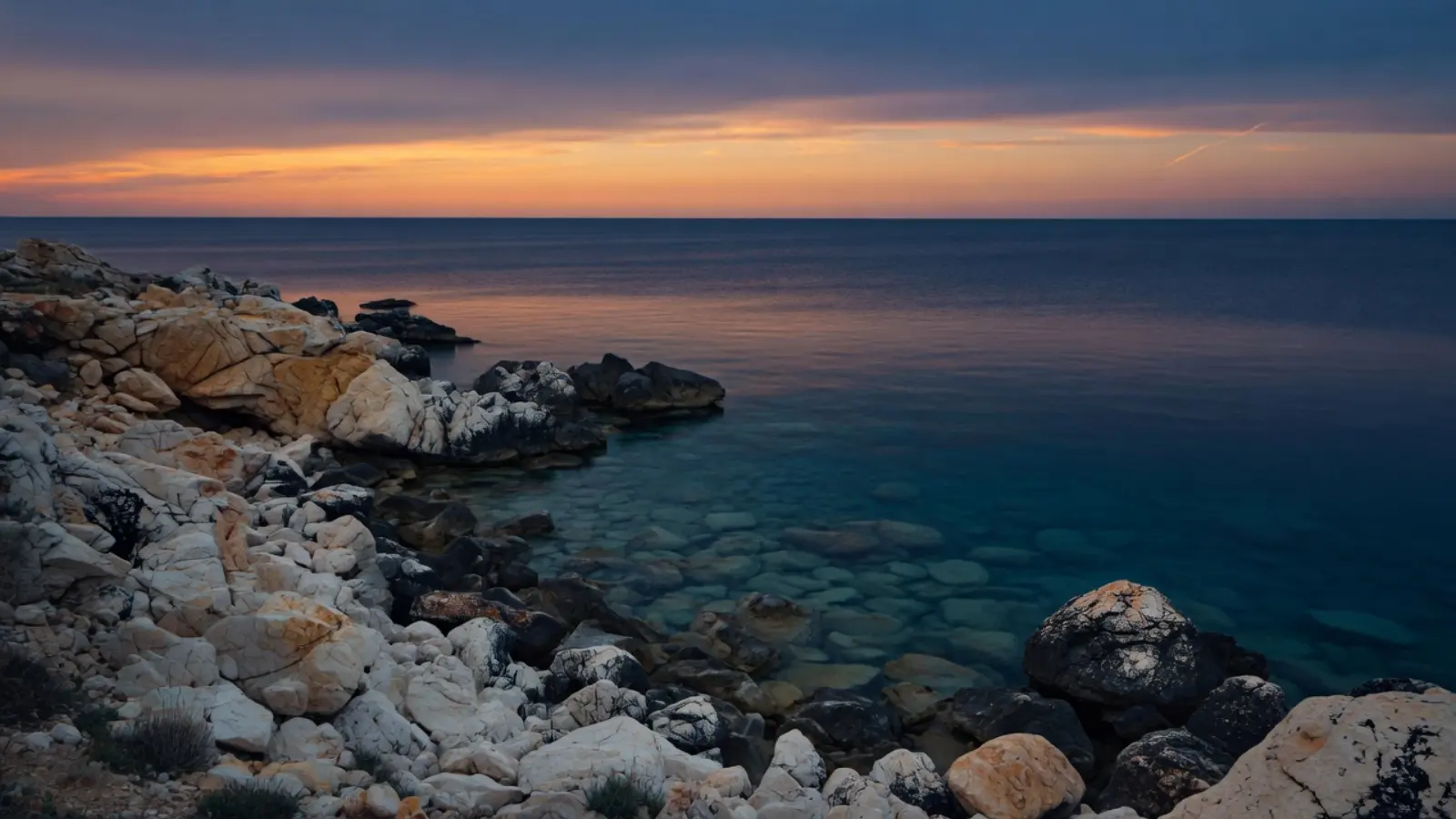
PE4Shorelines, waves, sediment transport and sea-level-rise scenarios.
PE5Ecological quality, citizen science and diving routes.
 PE6
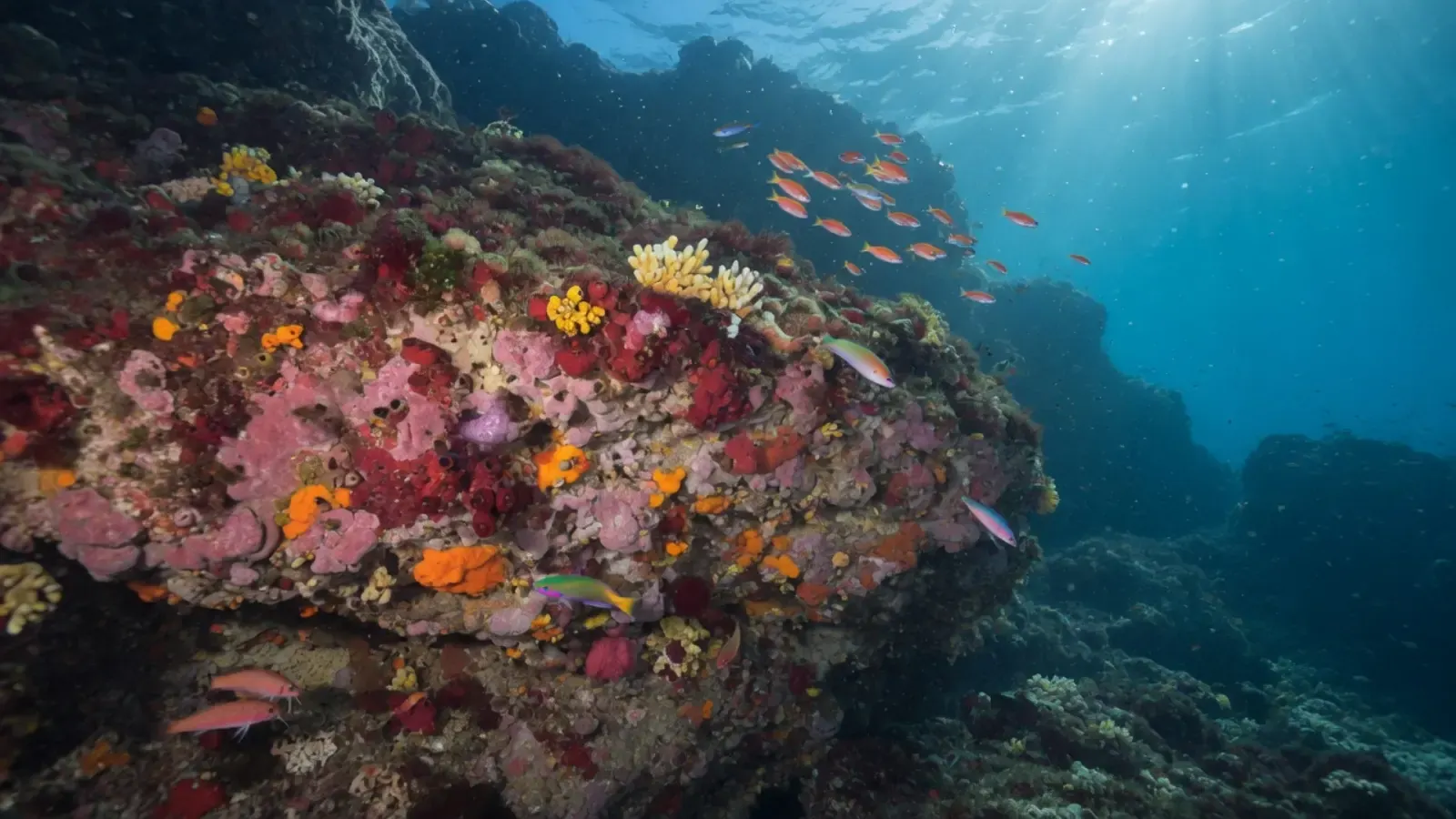
PE6Posidonia oceanica, resilience and blue carbon in the E. Mediterranean.
PE7Reefs and Posidonia meadows in Natura 2000 areas.
PE8Modelling continuous low-frequency noise in the South Aegean.
PE9Journals, conferences, local press and public information.
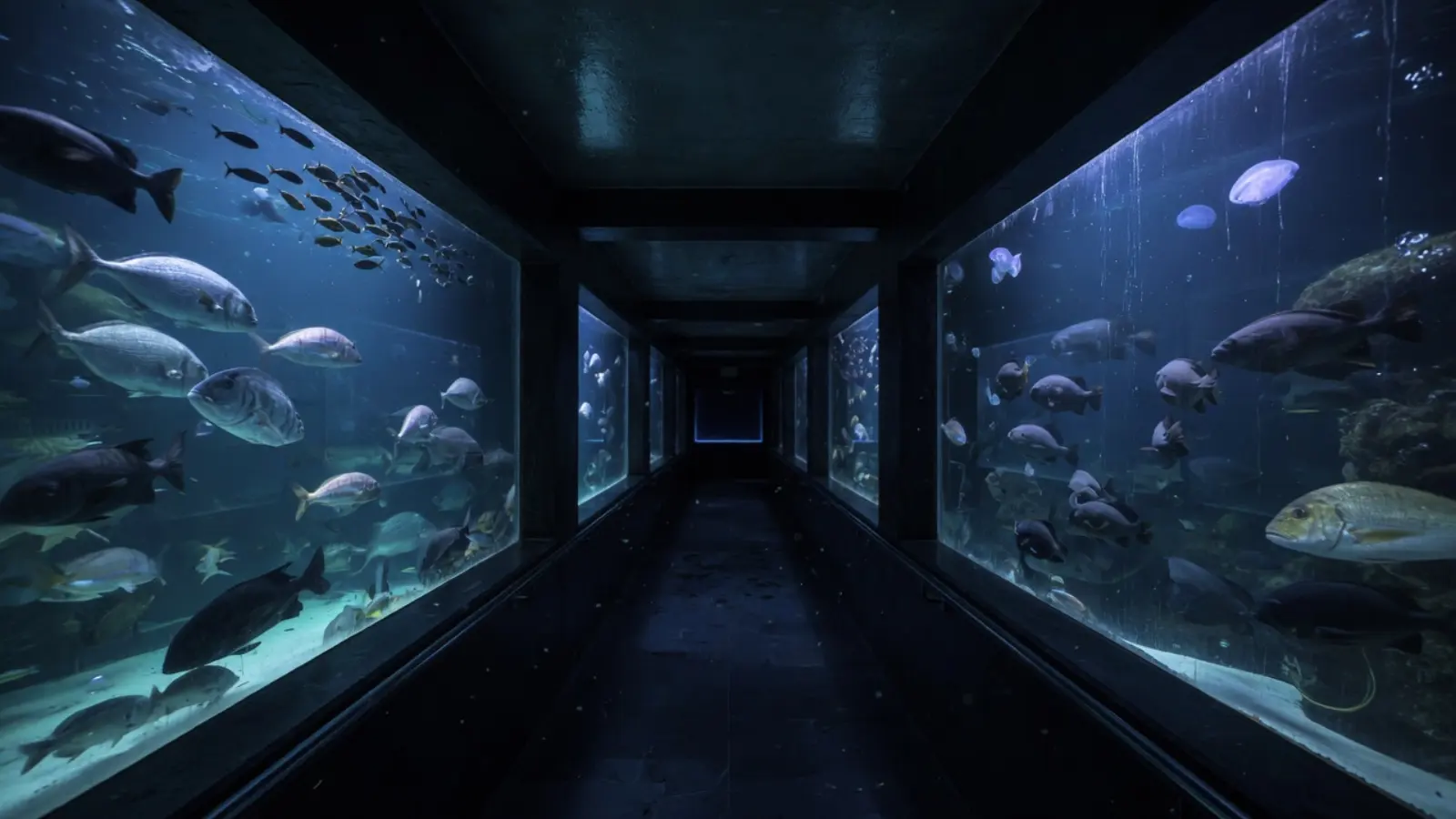
The Hydrobiological Station of Rhodes, an Art Deco building of 1934–35 designed by Armando Bernabiti, is an HCMR research unit and a public aquarium–museum. It stands at the northern tip of Rhodes town and is a gateway for marine research in the South Aegean.
See the infrastructure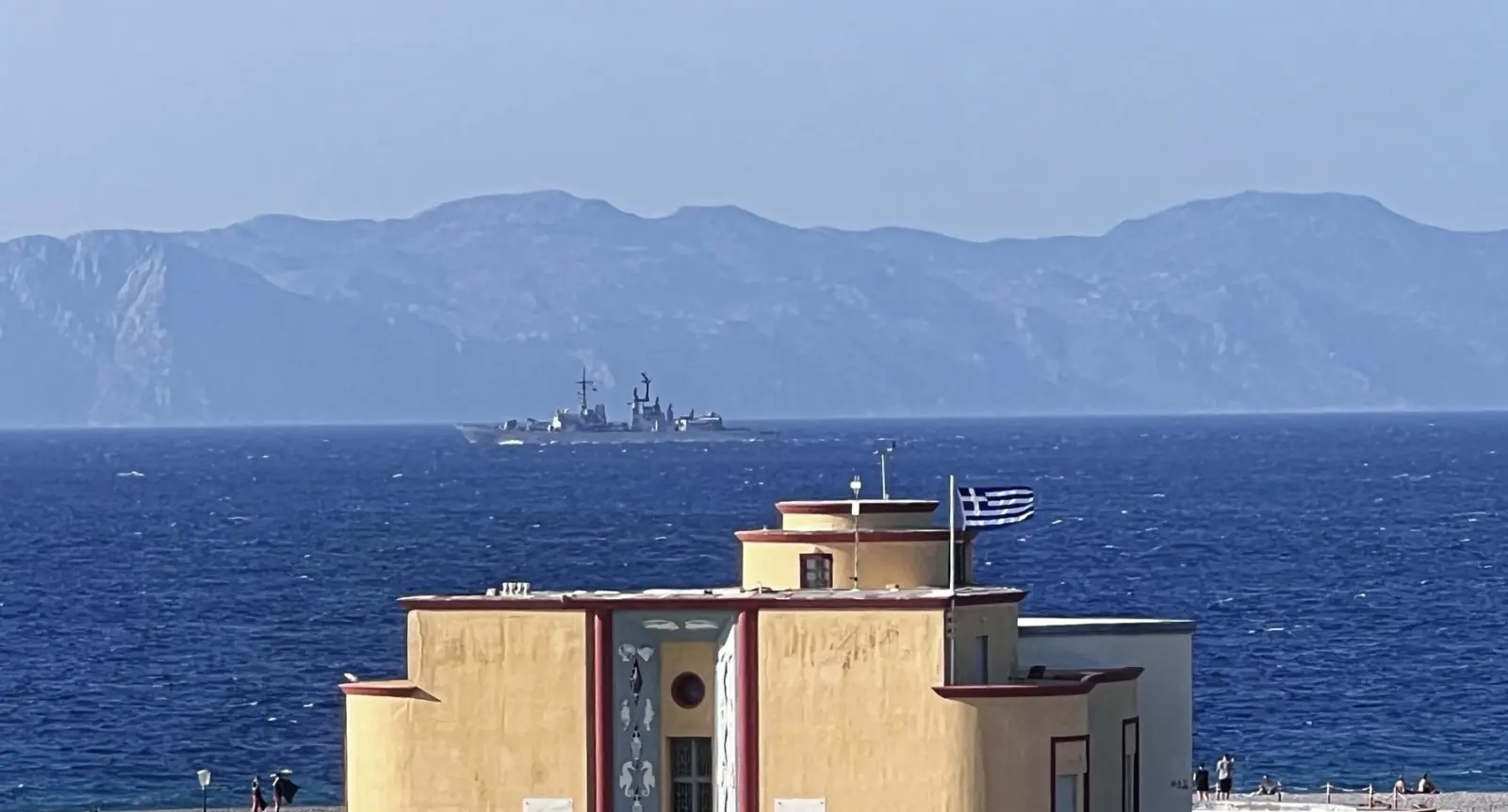
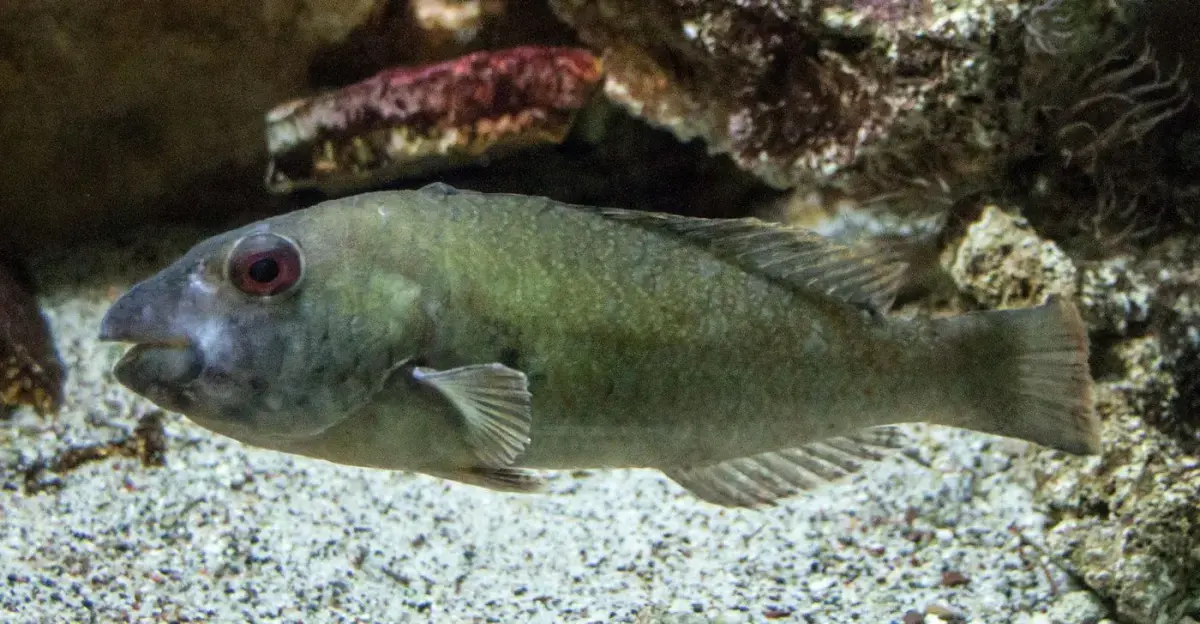
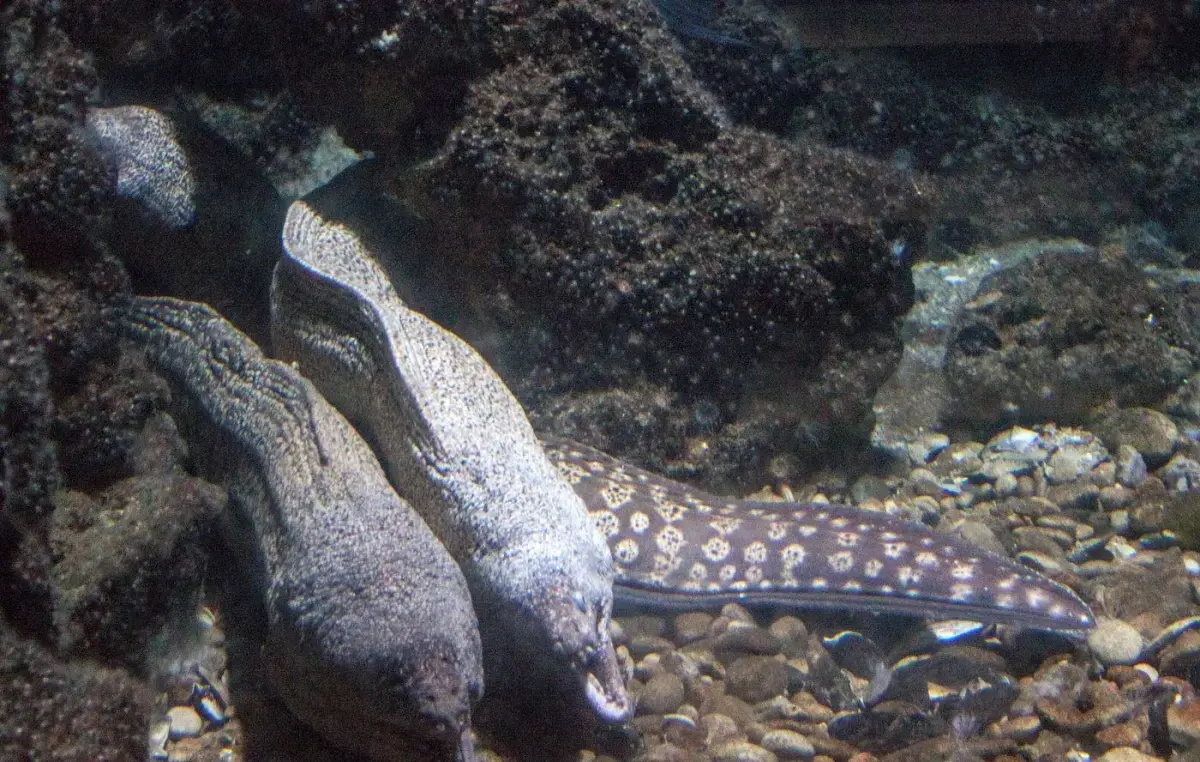
The aquarium holds organisms of the Aegean and the Dodecanese. Photographs are from the Aquarium of Rhodes.
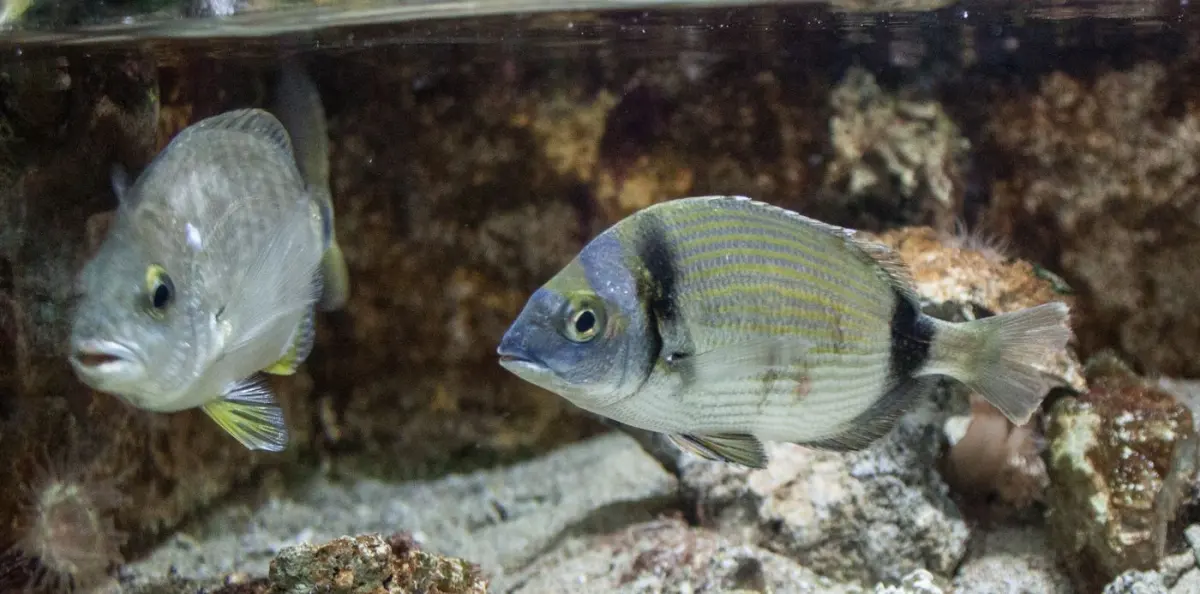

Rhodes is often the first gateway of marine alien species into Greece. Record a sighting and help early scientific documentation.